

Understanding FICO Scores: How They Are Calculated and Why They Matter
30 May, 2025

James W. Spencer
Understanding the FICO Score Formula and Its Key Components
The Role of Credit Bureaus in FICO Score Calculation
FICO scores are generated using proprietary software developed by the Fair Isaac Corporation. However, the actual scores are produced by the three major credit bureaus: Equifax, Experian, and TransUnion. Each bureau collects detailed credit data for individuals and then applies the FICO formula to this information, resulting in a unique score for each individual at each bureau. The exact FICO formula remains confidential and may change at the discretion of FICO, but the general categories and their weightings are publicly known.
Payment History: The Most Influential Factor
Payment history accounts for 35% of your FICO score, making it the single most significant component. This category tracks whether your payments on credit accounts are made on time, the amounts involved, and the presence of any late payments or delinquencies. Serious negative events—such as bankruptcies, judgments, or liens—are also factored in. Consistently paying bills on time is crucial for maintaining a strong FICO score, as even a single missed payment can have a lasting impact.
Amount Owed: Managing Your Credit Utilization
The amount owed comprises 30% of the FICO score calculation. This section evaluates the total debt you owe across all accounts, the number of accounts with balances, and the types of credit in use. A key metric here is the credit utilization rate—the ratio of your credit card balances to your total credit limits. Lower utilization rates signal responsible credit management. For example, opening a new credit account can improve your utilization ratio, provided you avoid taking on additional debt.
Length of Credit History: Time as a Trust Factor
Length of credit history makes up 15% of the FICO score. This factor considers how long your credit accounts have been open and the time elapsed since each account's most recent activity. A longer credit history generally indicates greater financial stability and reliability. As a result, young adults and recent immigrants often start with lower scores due to their shorter credit records.
Credit Mix: The Benefits of Diverse Credit Types
Credit mix represents 10% of your FICO score. This component looks at the variety of credit accounts you hold, such as credit cards, retail accounts, installment loans, finance company accounts, and mortgages. A balanced mix demonstrates your ability to handle different types of credit responsibly. Lenders view a diverse credit portfolio as a positive sign, indicating you can manage multiple financial obligations.
New Credit: The Impact of Recent Credit Activity
New credit activity affects the remaining 10% of your FICO score. This includes the number of recently opened accounts and the frequency of credit inquiries. Opening several new accounts within a short period can be interpreted as a sign of financial distress or risk, which may lower your score. It's wise to limit new credit applications and only open new accounts as needed.
FICO Score Ranges and What They Mean
Defining a Good FICO Score
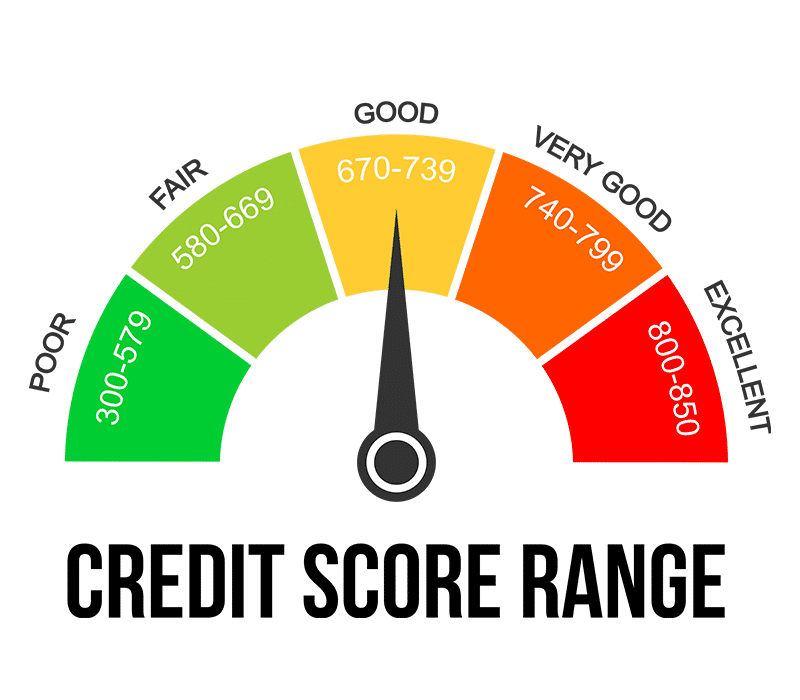
FICO scores range from 300 to 850. A score above 800 is considered exceptional, 740 to 799 is very good, 670 to 739 is good, 580 to 669 is fair, and below 580 is poor. Lenders use these ranges to determine creditworthiness and the terms they offer. Higher scores typically result in better interest rates and loan approvals, while lower scores may lead to higher costs or even denial of credit.
How to Improve Your FICO Score Effectively
Improving your FICO score involves several proactive steps: pay your bills on time, keep credit card balances low, and pay off debts in full whenever possible. Avoid opening too many new accounts simultaneously, and keep older credit cards open to lengthen your credit history. Regularly review your credit reports for errors and dispute any inaccuracies. Practicing these habits consistently can lead to gradual, sustainable improvement in your credit standing.
The Bottom Line: Focus on Payment History and Debt Management
While the FICO formula is complex, the two most critical components—payment history and amount owed—comprise 65% of your score. Prioritizing timely payments and responsible debt management is the most effective way to maintain or improve your FICO score. Understanding the basics of the FICO scoring model empowers consumers to make informed financial decisions and achieve better access to credit.
Frequently Asked Questions
Q1: What are the five main factors that determine a FICO score?
A1: The five main factors are payment history (35%), amount owed (30%), length of credit history (15%), credit mix (10%), and new credit (10%).
Q2: How does opening a new credit account affect my FICO score?
A2: Opening a new account can improve your credit utilization ratio, but too many new accounts or inquiries in a short period can lower your score due to perceived risk.
Q3: What steps can I take to quickly improve my FICO score?
A3: Pay all bills on time, reduce existing debt, avoid opening multiple new accounts at once, keep old accounts open, and regularly check your credit report for errors.
Financial Frontier: Your Guide to Smart Money Management
Newsletter
Receive Our Newsletter in your inbox every week.
© 2026 Financial Frontier, All right reserved.