

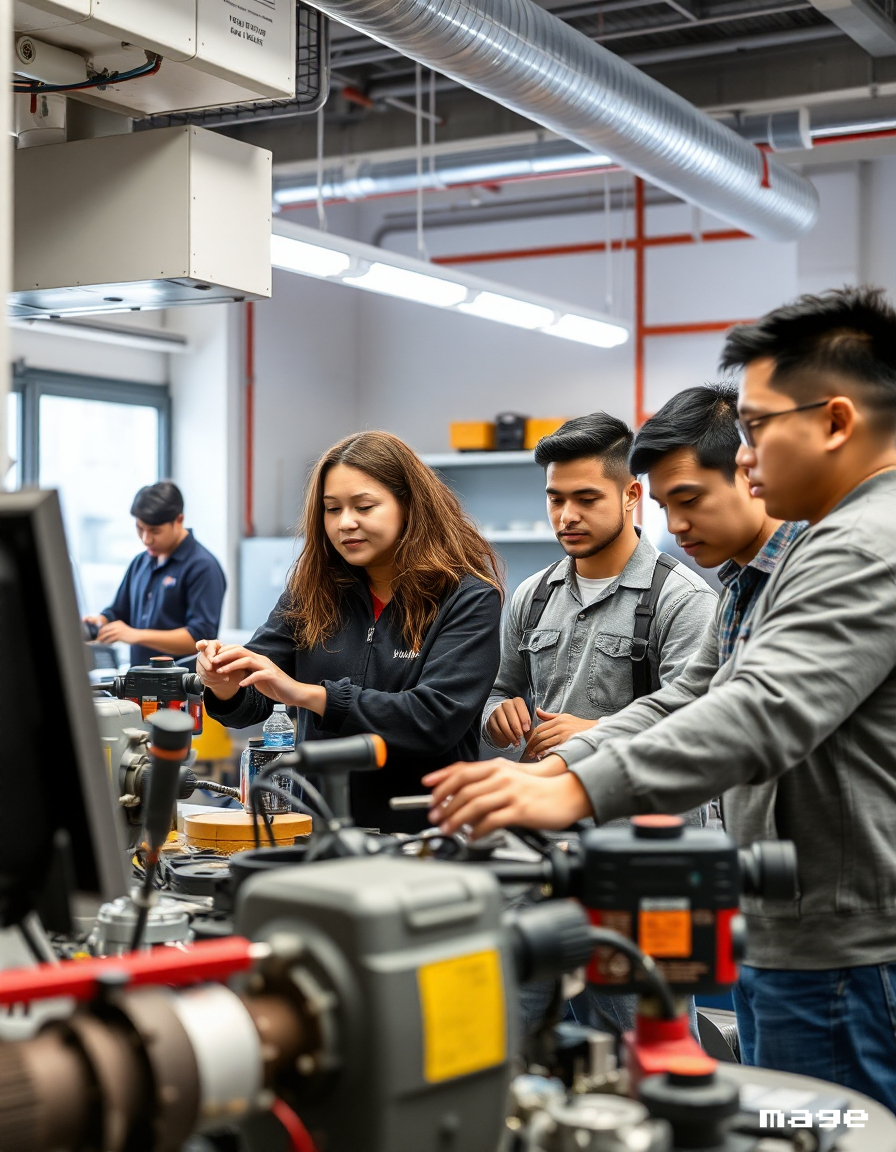
The Hidden Benefits of Choosing Trade School for Your Career
11 July, 2024

James W. Spencer
Table of Content
- Introduction
- The Trade School vs. College Dilemma: Making the Right Choice for Your Future
- The Benefits of Trade School Education Beyond the Classroom
- Diverse Program Options Available at Trade Schools: Finding Your Perfect Fit
- Conclusion: Embracing the Hidden Benefits of Choosing Trade School for Your Career Success Journey
- Frequently Asked Questions
Introduction
Choosing a career path is one of life's significant decisions, and while traditional college education has long been the go-to option, trade schools offer a compelling alternative. These institutions focus on vocational training, equipping students with practical skills for specific careers.
Trade schools shine by providing numerous hidden benefits that can lead to successful careers. By focusing on hands-on training and real-world experience, they offer a more direct route to employment in various high-demand fields.
Exploring trade schools as an option might just be your ticket to achieving career success without the hefty price tag of a four-year university.
The Trade School vs. College Dilemma: Making the Right Choice for Your Future
Cost-Effectiveness of Trade Schools: A Smart Financial Move
When pondering the trade school vs. college debate, one key factor often stands out: cost. Pursuing higher education alternatives like trade schools can be a smart financial move.
Trade schools typically have significantly lower tuition fees compared to traditional four-year universities. For example:
- Average Annual Tuition Costs:Trade Schools: $5,000 - $15,000
- Four-Year Universities: $20,000 - $50,000
That’s a staggering difference, especially when you consider potential student debt. Graduates from four-year universities often find themselves burdened with tens of thousands of dollars in loans. Conversely, trade school graduates tend to enter the workforce with little to no debt.
Take Sarah, for instance. She chose a career in HVAC (Heating, Ventilation, and Air Conditioning) by attending a local trade school. Her total cost for the program? Around $10,000. After completing her training in just two years, she landed a job earning $50,000 annually without any debt hanging over her head.
Now let's compare this with John’s path. He opted for a Bachelor's degree in Communications at a state university where he accumulated $40,000 in student loans over four years. Post-graduation, he found an entry-level position making $35,000 per year—a decent salary but hampered by his loan repayments.
These real-life scenarios highlight how choosing trade school can lead to better financial outcomes:
- Lower Tuition Fees: As shown above, trade schools generally charge less.
- Reduced Student Debt: Graduates face minimal or no debt compared to their university counterparts.
- Quicker Entry into the Workforce: Completing programs faster means starting your career—and earning—sooner.
Additionally, many trade schools offer flexible learning options such as evening or online classes which cater to working students. This flexibility allows individuals to gain skills without sacrificing their current income or lifestyle.
So if you're weighing higher education alternatives and seeking affordable education that minimizes student debt while maximizing career prospects, trade schools present compelling advantages worth serious consideration.
Time Efficiency in Trade School Programs: Get Ahead Faster
When it comes to choosing between trade school and college, one key factor often stands out—time efficiency. Trade schools typically offer programs that are significantly shorter than traditional degrees. While a bachelor's degree usually requires four years of study, many trade school programs can be completed in as little as six months to two years. This fast-track education allows you to enter the workforce much quicker, accelerating your path to earning and career advancement.
Flexibility also plays a crucial role. Many trade schools provide evening or online classes designed for those juggling work or other commitments. These flexible options make it easier for students to manage their schedules and achieve their educational goals without sacrificing their current responsibilities.
In the debate of trade school vs. college, considering personal goals, learning styles, and financial situations is essential. Trade schools cater to hands-on learners who prefer practical experience over theoretical knowledge, making them an ideal choice for those eager to start working sooner and avoid accumulating significant student debt.
Trade schools offer a practical solution for those looking to gain specialized skills quickly and efficiently. The shorter program durations and flexible class options make them an attractive alternative to traditional college paths.
The Benefits of Trade School Education Beyond the Classroom
High Job Placement Rates and Career Services: Your Pathway to Employment Success
One of the standout features of trade schools is their robust job placement assistance. Unlike traditional universities, which may not offer targeted career support, trade schools prioritize getting you into the workforce quickly and efficiently. They achieve this through active partnerships with local businesses, ensuring a smooth transition from classroom to career.
Strong Connections with Industries
Trade schools frequently collaborate with industries that are in dire need of skilled workers. These partnerships often lead to direct pipelines for employment opportunities. For instance, a welding program might partner with construction firms or manufacturing companies, providing students with immediate job openings upon graduation.
Comprehensive Support Services
Job placement services don't stop at merely connecting graduates with employers. Trade schools go the extra mile by offering resume development workshops. Crafting a compelling resume is an art, and these workshops ensure your resume stands out in a crowded job market. Tailored guidance helps highlight your unique skills and experiences, making you an attractive candidate.
In addition to resume help, trade schools provide interview preparation sessions. Mock interviews are conducted to simulate real-world scenarios, equipping you with the confidence and techniques needed to ace that crucial first impression. Tips on body language, answering common interview questions, and negotiating salaries are all part of the package.
Ongoing Career Support
Trade schools understand that hands-on training and career-focused education must be complemented by strong support services. Therefore, they often have dedicated career advisors who guide you through every step of your job search journey. These advisors not only assist in finding job openings but also offer insights into industry trends, salary expectations, and potential career advancement opportunities.
The comprehensive support doesn't end after you land your first job. Many trade schools maintain alumni networks that can be invaluable for long-term career growth. Networking events and continuous professional education options keep you connected to industry developments and opportunities for advancement.
Choosing a trade school means you're not just investing in education; you're investing in a support system designed to propel you toward employment success right from day one.
Real-World Experience Through Internships: Bridging the Gap Between Theory and Practice
Trade schools excel at blending career-focused education with hands-on training. This approach equips students with practical skills that align with industry needs and job market demands. Internships and externships, integral to many trade school programs, offer invaluable real-world experience.
Importance of Real-World Experience:
- Skill Enhancement: Applying knowledge in actual work settings sharpens abilities far beyond classroom learning.
- Employability: Employers value candidates who have demonstrated their capabilities in real-world scenarios. Practical experience often sets candidates apart in competitive job markets.
Networking Opportunities:
Internships provide a platform for forging connections within the industry. These relationships can lead to:
- Job Offers: Many companies prefer hiring interns who have already proven their worth.
- Mentorships: Guidance from experienced professionals helps navigate career paths effectively.
Examples: A student in an automotive technology program might intern at a local garage, gaining hands-on experience with vehicle diagnostics and repairs. Meanwhile, someone studying healthcare could assist in a medical clinic, learning patient care under the supervision of seasoned practitioners.
In essence, internships and practical learning opportunities bridge the gap between theory and practice, enhancing both skillsets and employability through job placement assistance and robust career support services.
Diverse Program Options Available at Trade Schools: Finding Your Perfect Fit
Trade schools offer a wide range of vocational programs designed to suit various interests and skills. Whether you're passionate about working with your hands, helping others, or diving into a specialized technical field, there's likely a program for you.
Popular Trade School Programs
Here are some of the most popular programs offered by trade schools:
- Automotive Technology: For those who love cars and mechanics, automotive technology programs provide hands-on training in vehicle repair, diagnostics, and maintenance.
- Healthcare: Programs like medical assisting, dental hygiene, and practical nursing prepare students to enter the healthcare sector, where skilled professionals are always in demand.
- Culinary Arts: Aspiring chefs can hone their cooking skills and learn kitchen management through culinary arts programs.
- Electrical and Plumbing: These programs focus on essential skilled trades, offering practical knowledge that leads to certifications required for these high-demand jobs.
Opportunities for Specialization
Many industries provide opportunities to specialize further within your chosen field:
- Healthcare Specializations: Within healthcare, you can opt to specialize as a surgical technologist or an emergency medical technician (EMT).
- Information Technology: In IT, specializations might include network security, web development, or database management.
- Skilled Trades: Electricians can specialize in residential wiring or commercial electrical systems; plumbers might focus on pipefitting or steamfitting.
High-Paying Trade School Careers: Unlocking Lucrative Opportunities Without a Degree Burden
A common misconception is that only traditional college degrees lead to high-paying jobs. However, many trade school careers offer substantial financial rewards without the burden of extensive student loan debt.
Examples of High-Paying Jobs
Here are some examples of high-paying jobs that you can pursue through trade schools:
- Electricians: According to industry data, electricians can earn an average annual salary of around $56,000. Those with specialization and experience can earn even more.
- Dental Hygienists: With an average salary of approximately $76,000 per year, dental hygienists enjoy both job stability and a lucrative income.
- Commercial Pilots: Graduates from aviation programs often start with salaries around $86,000 annually. With experience and additional certifications, earnings can soar higher.
By choosing a vocational path aligned with your interests and strengths, you not only position yourself for career satisfaction but also open doors to financially rewarding opportunities.
Trade schools provide targeted education tailored to industry needs. This allows you to transition smoothly into the workforce with job-ready skills.
Conclusion: Embracing the Hidden Benefits of Choosing Trade School for Your Career Success Journey
Trade schools present a compelling alternative to traditional college education. They offer a unique blend of benefits that can pave the way for a successful career:
- Affordability: Lower tuition costs and reduced student debt make trade schools an attractive financial choice.
- Efficiency: Shorter program durations mean you can enter the workforce faster, often within two years or less.
- Hands-on Training: Practical, real-world skills are emphasized, preparing you directly for your chosen field.
- Job Placement Support: Many trade schools provide robust career services, including job placement assistance and partnerships with local businesses.
- Diverse Program Options: From automotive technology to healthcare, the variety of programs caters to different interests and aptitudes.
- Lucrative Job Prospects: High-paying careers in trades such as plumbing, electrical work, and medical technology are accessible without the burden of a four-year degree.
Considering these advantages can provide a clearer vision for your future. By exploring trade school opportunities, you may find a pathway that aligns perfectly with your career aspirations.
Frequently Asked Questions
What are the main benefits of attending a trade school?
Trade schools offer numerous hidden benefits that can lead to successful careers, including affordability, shorter program durations, hands-on training, high job placement rates, and diverse program options tailored to various interests and aptitudes.
How do trade schools compare financially to traditional colleges?
Trade schools typically have lower tuition costs compared to four-year universities, resulting in less potential student debt. Real-life examples show that graduates from trade schools can fare well financially post-graduation, often entering the workforce sooner.
What types of programs are available at trade schools?
Trade schools offer a wide range of vocational programs catering to different careers such as automotive technology, healthcare, and skilled trades. Many programs provide opportunities for specialization within various industries.
How do trade schools support students in finding employment after graduation?
Trade schools often provide job placement assistance through partnerships with local businesses. They also help students with resume development and interview preparation, enhancing their chances of securing employment after graduation.
What is the typical duration of trade school programs?
Trade school programs are generally shorter than traditional college degrees, allowing students to complete their education and enter the workforce more quickly. Many institutions also offer flexible options such as evening or online classes for working students.
Are there high-paying career opportunities available through trade school education?
Yes, many high-paying jobs are accessible through trade school education without the burden of a traditional degree. Examples include positions in skilled trades and technical fields, with salary ranges varying based on industry data.
Financial Frontier: Your Guide to Smart Money Management
Newsletter
Receive Our Newsletter in your inbox every week.
© 2026 Financial Frontier, All right reserved.