

Offline Crypto Storage in 2025: Ultimate Guide to Hardware, Paper & Air-Gapped Wallets
26 May, 2025

Noah Riley
Storing Crypto Offline: Three Proven Methods
Hardware Wallets (Cold Wallets)
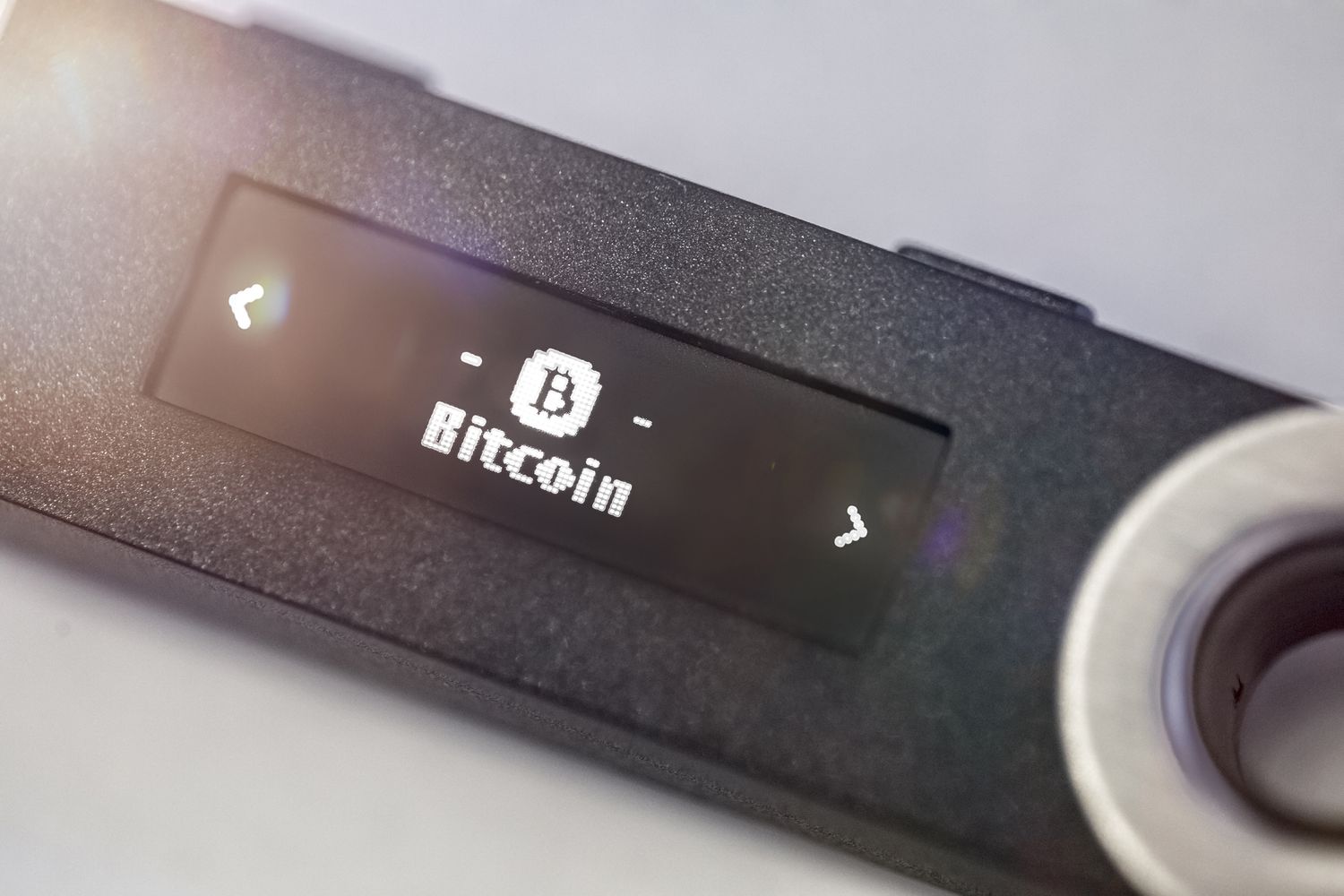
Hardware wallets are USB-like devices that isolate your private keys from the internet. Brands such as Ledger and Trezor dominate the market, offering secure elements, PIN protection, and optional Bluetooth for mobile management. After setup, keys remain offline; you only connect the device when signing transactions, then disconnect it to eliminate remote-attack vectors.
Paper Wallets
A paper wallet is a printed or handwritten record of your public and private keys—often accompanied by QR codes for quick scanning. Because the keys never touch a networked device, this method is virtually hack-proof. However, paper degrades, burns, tears, and is easy to misplace, so lamination, fireproof safes, and duplicate copies are essential.
Air-Gapped Devices
Air-gapped laptops, desktops, or smartphones keep all radios—Wi-Fi, Bluetooth, NFC—disabled or physically removed. Key generation and signing occur entirely offline, with transactions transferred via QR codes or encrypted SD cards. While highly secure, these setups require technical know-how and dedicated hardware that never reconnects to the internet.
Advantages and Drawbacks of Offline Storage
Benefits of Cold Wallets
- Eliminates online attack surfaces, drastically reducing hack risk
- Shields assets from exchange insolvencies, regulatory freezes, and censorship
- Encourages disciplined, long-term holding by removing impulse-trading temptations
Limitations to Consider
- Up-front costs for hardware wallets or dedicated air-gapped machines
- Limited asset support on some devices—unsupported tokens must stay elsewhere
- Steeper learning curve for beginners; improper setup can lock you out permanently
- Inaccessible funds may cause missed trading opportunities or staking rewards
Security Best Practices for Cold Wallet Owners
Create Redundant Backups
Write down the 12- or 24-word seed phrase on durable, fire- and water-resistant media (steel plates or laminated cards). Store duplicates in separate, secure locations such as a home safe and a safety-deposit box.
Diversify Wallet Locations
Split large portfolios across multiple hardware devices or paper backups. Diversification prevents a single point of failure from wiping out your entire balance.
Use Strong Passwords and Biometrics
Where supported, add alphanumeric passphrases, fingerprint readers, or facial recognition to hardware wallets. A long, unique password thwarts brute-force attempts even if the device is stolen.
Verify Every Transaction
Cold wallets protect keys but cannot prevent user error. Before confirming, cross-check recipient addresses, amounts, and gas fees directly on the device screen to avoid phishing or man-in-the-middle attacks.
Q&A
Can I earn staking rewards while using cold storage?
Staking requires online activity, so assets locked in true cold storage cannot earn rewards. Some investors keep a “hot” wallet for staking and a “cold” wallet for long-term holdings.
What happens if my hardware wallet breaks?
As long as you have the recovery seed phrase, you can restore the wallet on a new device or compatible software wallet and regain full access to your funds.
Is a paper wallet still safe in 2025?
Yes—if generated offline, stored properly, and protected from physical damage. However, most users prefer hardware wallets because they combine offline security with easier transaction signing.
Financial Frontier: Your Guide to Smart Money Management
Newsletter
Receive Our Newsletter in your inbox every week.
© 2026 Financial Frontier, All right reserved.