

Business Automation Ideas to Boost Efficiency
02 September, 2024

James W. Spencer
Imagine transforming your business operations overnight—sounds magical, right? That's the power of business automation. In today’s hyper-competitive market, efficiency is the name of the game. By implementing smart automation strategies, businesses can streamline processes, reduce errors, and ultimately boost productivity. In this comprehensive guide, we'll explore various business automation ideas that can significantly enhance efficiency across different departments.
Understanding Business Automation
What is Business Automation?
Business automation refers to the use of technology to perform tasks with minimal human intervention. It involves automating repetitive, rule-based tasks to improve efficiency and accuracy. Whether it's processing invoices, managing customer interactions, or tracking sales, automation tools can handle these tasks, freeing up employees to focus on more strategic initiatives.
Business automation is not just about replacing human effort; it's about enhancing it. By integrating automation solutions, businesses can ensure consistency and reliability in their operations.
Why is Business Automation Essential for Efficiency?
Automation is crucial because it helps businesses operate more efficiently. Here’s how:
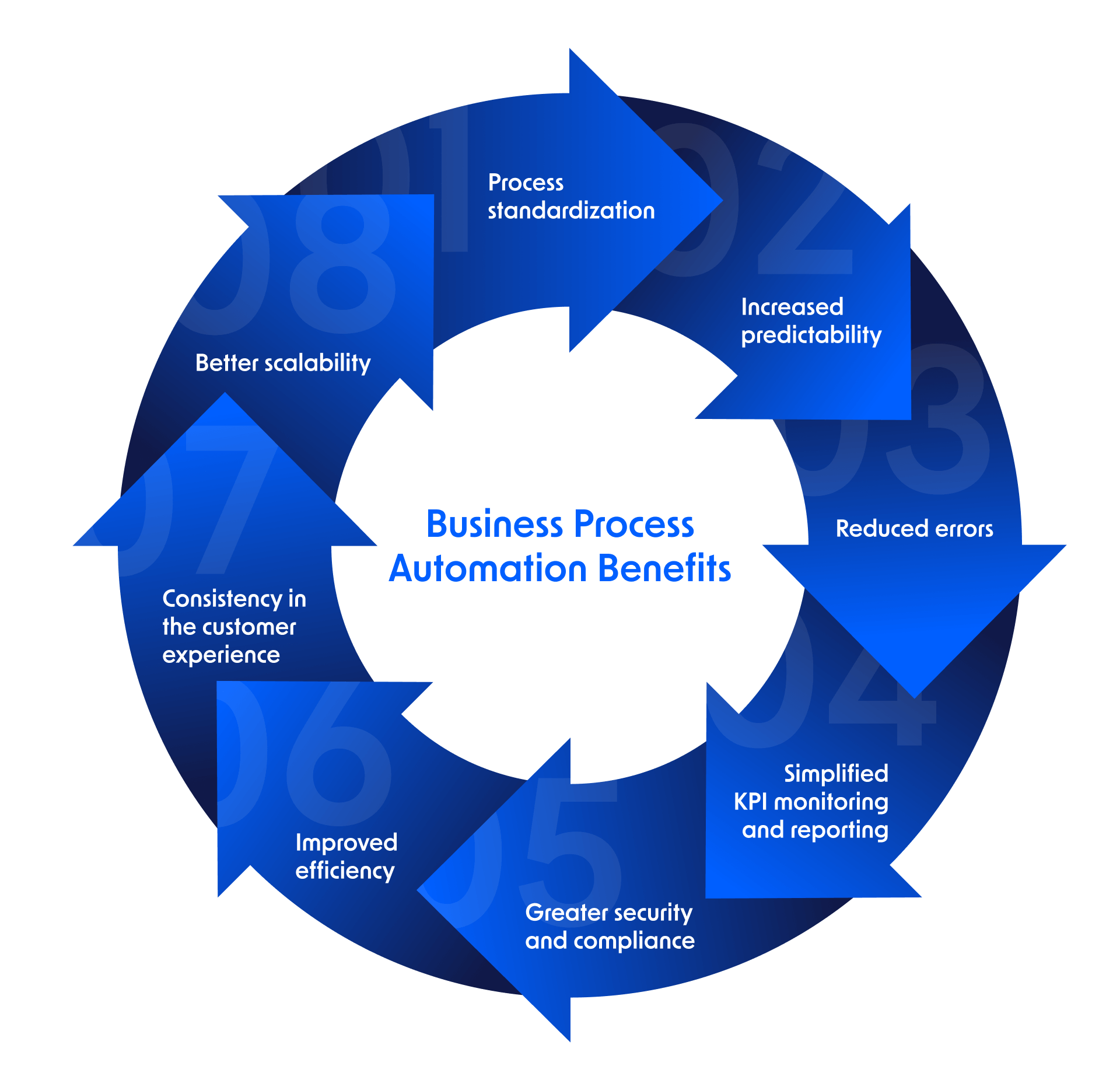
- Reduction in Manual Errors: Automated systems perform tasks with high precision, reducing the likelihood of human error.
- Time Savings: Automation speeds up processes, allowing employees to focus on creative and strategic tasks.
- Cost Efficiency: By minimizing manual labor, businesses can cut down on operational costs.
A study by Deloitte found that 53% of organizations have started implementing robotic process automation, highlighting its growing importance in improving business productivity.
Key Areas for Automation
Sales Automation Ideas
Automating Lead Management
Managing leads efficiently is crucial for sales success. Automation tools like CRM systems can help by:
- Scoring Leads: Automatically prioritize leads based on their likelihood to convert.
- Follow-up Reminders: Schedule follow-ups without manual intervention.
These automation strategies ensure that no potential customer slips through the cracks, thereby boosting efficiency.
Streamlining Sales Reporting
Automating sales reports can provide real-time insights into sales performance. Tools like Salesforce can generate comprehensive reports at the click of a button, saving time and improving decision-making.
Marketing Automation Ideas
Email Marketing Automation
Email marketing remains a powerful tool for customer engagement. Automation tools like Mailchimp allow businesses to:
- Personalize Campaigns: Send tailored messages based on customer behavior.
- Schedule Emails: Plan and automate email sends to reach audiences at optimal times.
This process automation not only enhances customer interaction but also improves marketing efficiency.
Social Media Scheduling Tools
Managing social media can be time-consuming. Automation solutions like Hootsuite enable businesses to:
- Schedule Posts: Plan social media content in advance.
- Track Engagement: Monitor and analyze audience interactions.
By automating these tasks, businesses can maintain a consistent online presence without constant manual effort.
Customer Service Automation Ideas
Chatbots for Instant Support
Chatbots are revolutionizing customer service by providing instant support. These AI-driven tools can:
- Answer FAQs: Resolve common queries without human intervention.
- Escalate Issues: Direct complex issues to human agents when necessary.
This automation example not only improves customer satisfaction but also reduces the workload on customer service teams.
Automated Feedback Collection
Gathering customer feedback is essential for service improvement. Automation tools can:
- Send Surveys: Automatically distribute surveys post-interaction.
- Analyze Responses: Compile and analyze feedback for actionable insights.
Such automation benefits businesses by providing timely and valuable customer insights.
Implementing Automation in Your Business
How to Identify Automation Opportunities
Before diving into automation, it's crucial to identify which tasks can be automated. Start by:
- Analyzing Workflows: Look for repetitive tasks that consume significant time.
- Assessing Current Tools: Determine if existing tools can be enhanced with automation features.
Creating a table to list potential automation opportunities can help visualize and prioritize tasks for automation.
Steps to Implement Business Automation
Planning and Strategy
A successful automation strategy requires careful planning:
- Set Clear Objectives: Define what you aim to achieve with automation.
- Align with Business Goals: Ensure automation efforts support overall business objectives.
Choosing the Right Tools
Selecting the right automation tools is critical. Consider:
- Vendor Reliability: Choose reputable vendors with proven track records.
- Scalability: Ensure the tools can grow with your business needs.
A comparison table of popular automation tools can aid in decision-making.
Overcoming Common Automation Challenges
Implementing automation can come with challenges. Here’s how to overcome them:
- Training: Provide comprehensive training to employees on new tools.
- Change Management: Manage the transition carefully to minimize resistance.
By addressing these challenges proactively, businesses can ensure a smooth automation journey.
Benefits of Business Automation
Increased Productivity and Efficiency
Automation significantly boosts business productivity by allowing employees to focus on high-value tasks. For instance, a case study by McKinsey showed that companies implementing automation saw a 20% increase in productivity.
Cost Savings and ROI
Automation not only reduces operational costs but also offers a substantial return on investment. By automating routine tasks, businesses can allocate resources to more strategic areas, enhancing overall efficiency.
Future Trends in Business Automation
Emerging Technologies in Automation
The future of business automation is exciting, with technologies like AI, machine learning, and IoT leading the way. These innovations promise to further streamline processes and enhance efficiency.
The Role of Automation in Business Scalability
Automation supports business scalability by allowing companies to handle increased workloads without proportional increases in headcount. This agility is crucial in today’s fast-paced market environment.
Conclusion
Business automation is a powerful tool for boosting efficiency and productivity. By implementing the ideas discussed, businesses can transform their operations, reduce costs, and enhance customer satisfaction. Start small, scale gradually, and watch your business thrive.
Additional Resources
- Recommended Tools: Explore tools like Salesforce, Mailchimp, and Hootsuite for automation solutions.
- Case Studies: Read success stories of businesses that have successfully implemented automation.
Embark on your automation journey today and unlock unprecedented efficiency in your business operations!
Financial Frontier: Your Guide to Smart Money Management
Newsletter
Receive Our Newsletter in your inbox every week.
© 2026 Financial Frontier, All right reserved.