

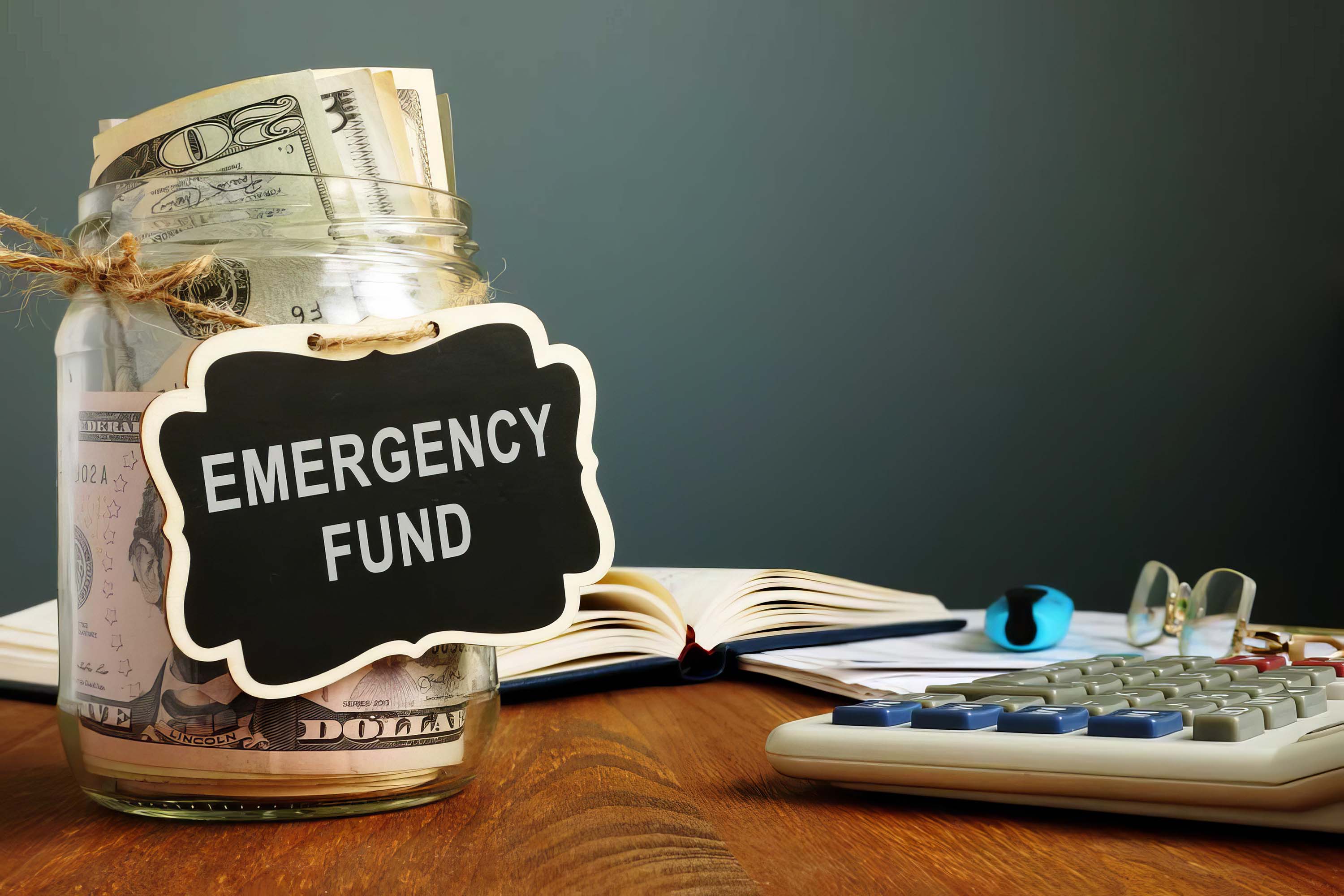
5 Essential Steps to Building a Solid Emergency Fund
15 March, 2024

Christian Nussbaum
Hey there! Let's talk about something super important but often overlooked - building an emergency fund. Think of it as your financial safety net, there to catch you when life throws you curveballs. Whether it's an unexpected car repair, a sudden job loss, or any unforeseen expenses, having that cushion can make all the difference. So, how do you start saving for these unpredictable moments? Stick around as we dive into the five essential steps to create an emergency savings account that stands solid, no matter what life throws your way.
Understanding the Importance of an Emergency Fund
Life is unpredictable. It's full of surprises, some wonderful and some not-so-wonderful. While we can't always control what comes our way, we can certainly be prepared for the unexpected. One of the best ways to do this is by building an emergency fund.
An emergency fund is like a financial safety net, providing you with a sense of security and peace of mind during unforeseen circumstances. Whether it's a sudden job loss, a medical emergency, or unexpected home repairs, having some extra cash set aside can make all the difference in how you weather the storm.
- Financial Security: Emergency savings act as a cushion, protecting you from the impact of unexpected expenses. Instead of scrambling to find ways to cover the cost, you can dip into your emergency fund and handle the situation with ease.
- Debt Prevention: Without an emergency fund, many people are forced to rely on credit cards or loans to cover emergency expenses. This can lead to a cycle of debt that is not easy to break free from. By having a safety net in place, you can avoid accumulating high-interest debt and maintain your financial stability.
- Stress Reduction: Financial stress is a common problem that can take a toll on your mental and emotional well-being. Knowing that you have an emergency fund to fall back on can help alleviate this stress. Instead of worrying about how you will cope with a financial crisis, you can focus on finding solutions and moving forward.
In conclusion, building an emergency fund is not just about setting money aside for a rainy day. It's about investing in your own peace of mind and financial well-being. By making it a priority to save for unexpected expenses, you are taking proactive steps to protect yourself and your loved ones from the uncertainties of life.
Setting Realistic Savings Goals
Setting realistic savings goals is a crucial step towards achieving financial security and stability. It requires a thoughtful approach and a willingness to prioritize your future financial well-being over immediate desires. By following a few simple steps, you can set yourself on the path to building a sustainable savings plan that aligns with your goals and aspirations.
Determine Your Monthly Expenses
One of the first steps in setting realistic savings goals is to understand your monthly expenses. Take the time to gather all your financial documents and create a detailed list of your recurring expenses, including rent or mortgage, utilities, groceries, transportation, insurance, and any other essential costs. By having a clear picture of where your money is going each month, you can identify areas where you can potentially cut back and redirect those funds towards savings.
Set Aside a Portion for Emergencies
Emergencies can arise unexpectedly, and having a financial safety net in place is essential for weathering any financial storms that may come your way. As you determine your monthly expenses, be sure to allocate a portion of your income towards an emergency fund. Aim to save enough to cover at least three to six months’ worth of living expenses to ensure you are prepared for any unforeseen circumstances.
Start Small and Gradually Increase Your Savings
When it comes to setting savings goals, it’s important to start small and gradually increase your savings over time. Begin by setting a realistic target that you can comfortably achieve each month, even if it’s just a small amount. As you become more accustomed to saving regularly, challenge yourself to increase the amount you save incrementally. Small, consistent steps towards your savings goals can lead to significant financial growth over time.
Remember, setting realistic savings goals is not about depriving yourself of enjoyment in the present, but rather about securing a stable and prosperous future for yourself. By prioritizing savings, you are investing in your long-term financial well-being and setting yourself up for success. Stay disciplined, stay focused, and watch your savings grow as you work towards achieving your financial dreams.
Creating a Separate Savings Account
Managing your finances wisely and securing your future through smart saving habits is crucial for financial stability and peace of mind. One effective strategy that can help you achieve your savings goals is by creating a separate savings account dedicated to specific purposes. In this case, having a separate account for your emergency fund can prevent you from dipping into it for non-urgent expenses.
Separate Your Emergency Fund
One of the primary reasons for setting up a separate savings account is to keep your emergency fund distinct from your regular savings. By doing so, you create a mental and physical barrier between your emergency fund and everyday expenses, reducing the temptation to use it for non-emergencies.
Having a dedicated account for emergencies ensures that the funds are readily available when unexpected situations arise, such as urgent home repairs, medical expenses, or sudden job loss. This separation also allows you to track the growth of your emergency fund separately and make informed decisions about replenishing it when necessary.
Choose High-Interest Accounts
When selecting a savings account for your emergency fund, opt for accounts with high-interest rates to maximize your savings potential. High-interest savings accounts offer better growth opportunities compared to traditional savings accounts, helping your emergency fund grow steadily over time.
Research different financial institutions and compare interest rates to find an account that offers competitive returns on your savings. While the interest rates may fluctuate, choosing an account with a consistently high rate can help you secure better long-term growth for your emergency fund.
By creating a separate savings account for your emergency fund and selecting an account with high interest rates, you are taking proactive steps towards securing your financial future. Remember, effective financial planning involves smart saving strategies and disciplined money management. Start implementing these practices today to build a robust financial safety net for tomorrow.
Consistently Contributing to Your Fund
Building an emergency fund is like planting a seed that will grow into a safety net during challenging times. The key to a successful emergency fund is consistency in your contributions. Here are some inspirational tips to help you stay on track:
1. Start Small, Think Big
Even if you can only set aside a small amount each month, remember that every penny counts. By consistently contributing, you are cultivating a habit of saving that will benefit you in the long run. Don't underestimate the power of starting small.
2. Automate Your Savings
One of the best ways to ensure consistency in your contributions is to automate your savings. Set up automatic transfers from your checking account to your emergency fund. This way, you won't have to remember to make the payments, and you'll be less likely to skip a contribution.
3. Stay Committed to Your Goal
It's easy to get discouraged or tempted to dip into your emergency fund for non-emergencies. Remind yourself of your financial goals and the importance of having a safety net. Stay committed to building and growing your emergency fund, even when it feels challenging.
4. Celebrate Your Progress
Each contribution you make brings you one step closer to reaching your emergency fund goal. Celebrate your progress, no matter how small. Acknowledge your dedication and discipline in consistently saving for the future.
5. Adjust as Needed
Life is unpredictable, and your financial situation may change. Be flexible and adjust your contributions as needed. If you can increase the amount you save each month, do so. If you hit a rough patch, don't be too hard on yourself; just do the best you can.
Remember, consistency is the key to successfully building and maintaining your emergency fund. Keep your eyes on the prize and stay dedicated to your financial well-being. Your future self will thank you for the efforts you make today.
Reassessing and Adjusting Your Fund
Life is ever-changing, and so are our financial situations. In order to stay on track with your savings goals, it's crucial to regularly reassess and adjust your fund. Here's why:
"Regularly reviewing your expenses allows you to see where your money is going. This insight enables you to make informed decisions on where you can cut back and allocate more towards your savings."
By staying proactive and reviewing your expenses, you can make necessary adjustments to ensure that you are saving enough to meet your goals. Whether it's cutting down on unnecessary expenses or finding ways to increase your income, every little bit can make a difference.
"Be prepared to increase your fund size as your financial situation changes. As your income grows or if unexpected expenses arise, adjusting your savings goals will help you stay financially secure."
Flexibility is key when it comes to financial planning. Being open to increasing your fund size when needed shows that you are adaptable and ready to face whatever challenges may come your way. It's all about being proactive and prepared for whatever life throws at you.
TL;DR
Regularly review your expenses and adjust your savings goals accordingly. Be prepared to increase your fund size as your financial situation changes.
Financial Frontier: Your Guide to Smart Money Management
Newsletter
Receive Our Newsletter in your inbox every week.
© 2026 Financial Frontier, All right reserved.